Aurora Contractors is a leading Construction Management, General Contracting and Design/Build firm, serving the New York metropolitan area. Family owned and operated since 1983, we deliver years of experience, extensive resources, and a variety of services. Our transparent planning process identifies challenges early, delivering solutions you need, on time and on budget.
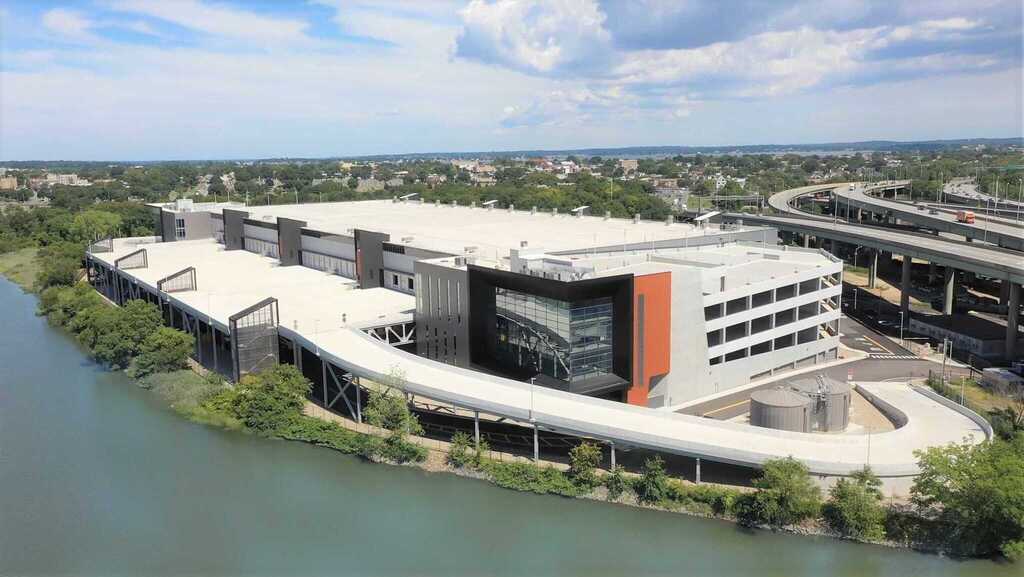
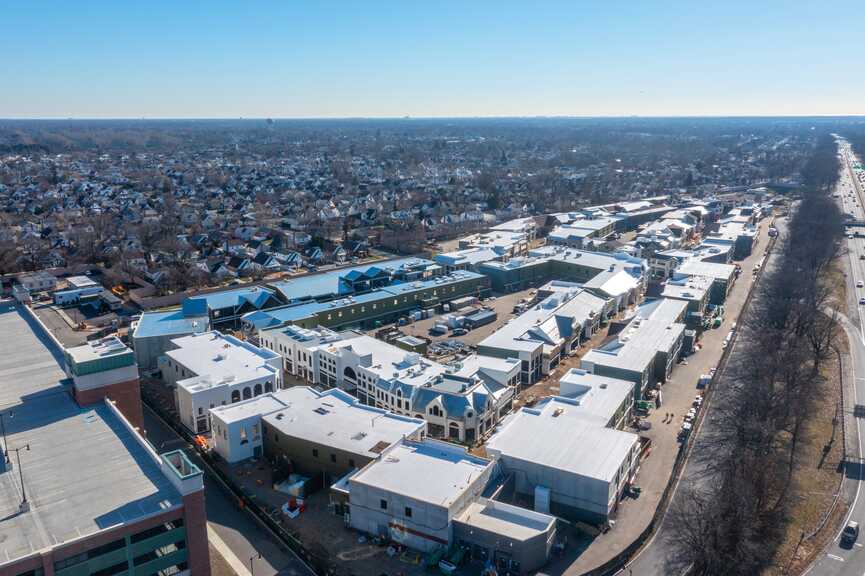
Featured Projects
People
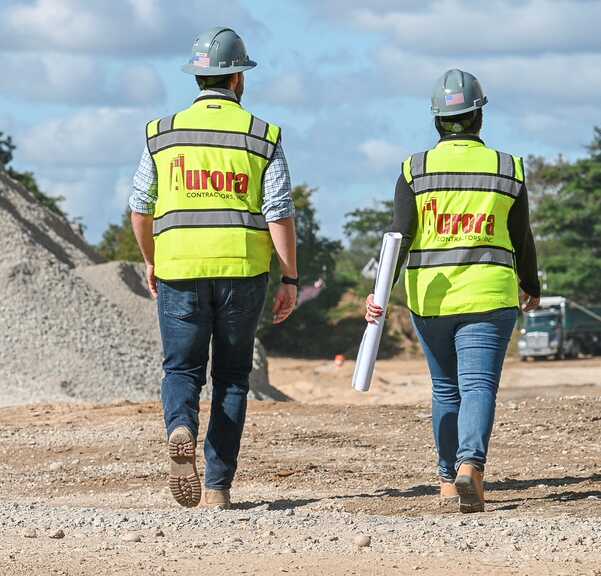
From our clients to our employees, subcontractors and community, we value talent and decency in equal measure.

Family owned and operated since 1983, the Veros and management team lead by example with integrity and respect.
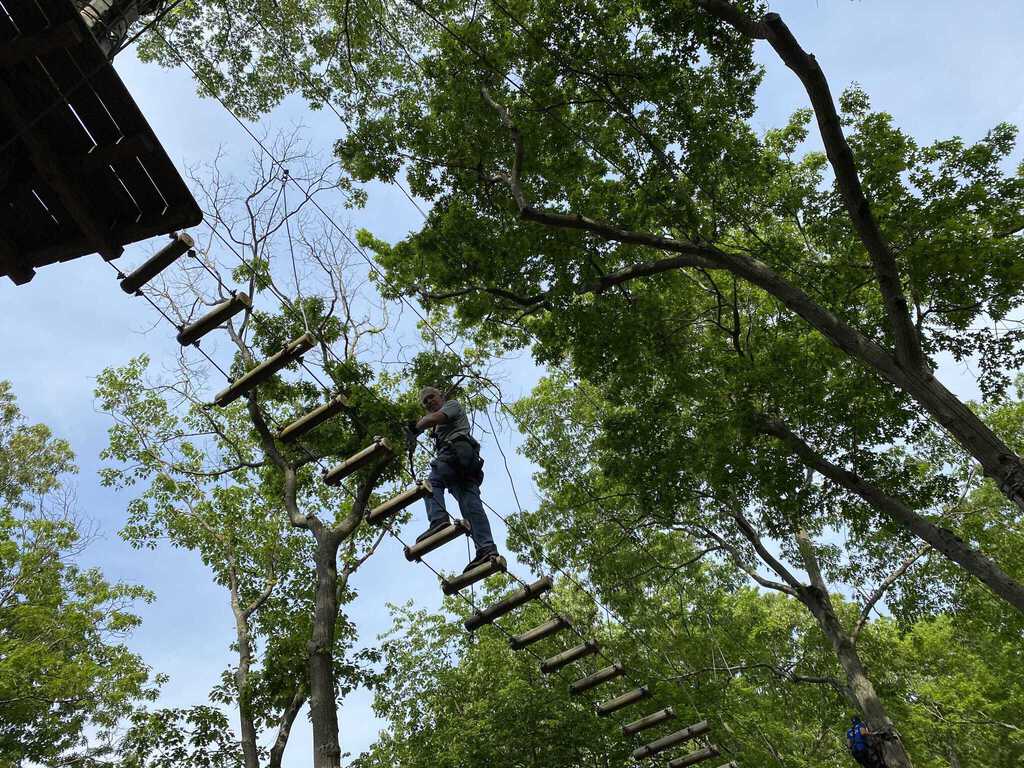
Opportunities for growth, community engagement, and some fun is what you get when you’re part of the Aurora family.
Values

- Customer Focused
- Integrity
- Family
- Continuous Improvement
- Enthusiasm
Our mission is to create long term relationships with our clients, and provide exceptional customer service through innovation, planning, and dependable performance.